
Section 180 Soil Fertility Tax Deduction
Comprehensive soil sampling and nutrient analysis to support potential Section 180 tax deductions on newly acquired farmland.
WHAT IS SECTION 180?
Section 180 of the Internal Revenue Code allows owners of newly acquired farmland to deduct the remaining value of nutrients already in the soil.
When properly documented, this deduction can reduce taxable income and create meaningful tax savings in the year the land is placed into production.
ARE YOU QUALIFIED?
-
Purchased farmland
-
Inherited farmland
-
Acquired land you have not previously farmed
-
Are putting that land into agricultural production
WHY CROP TECH?
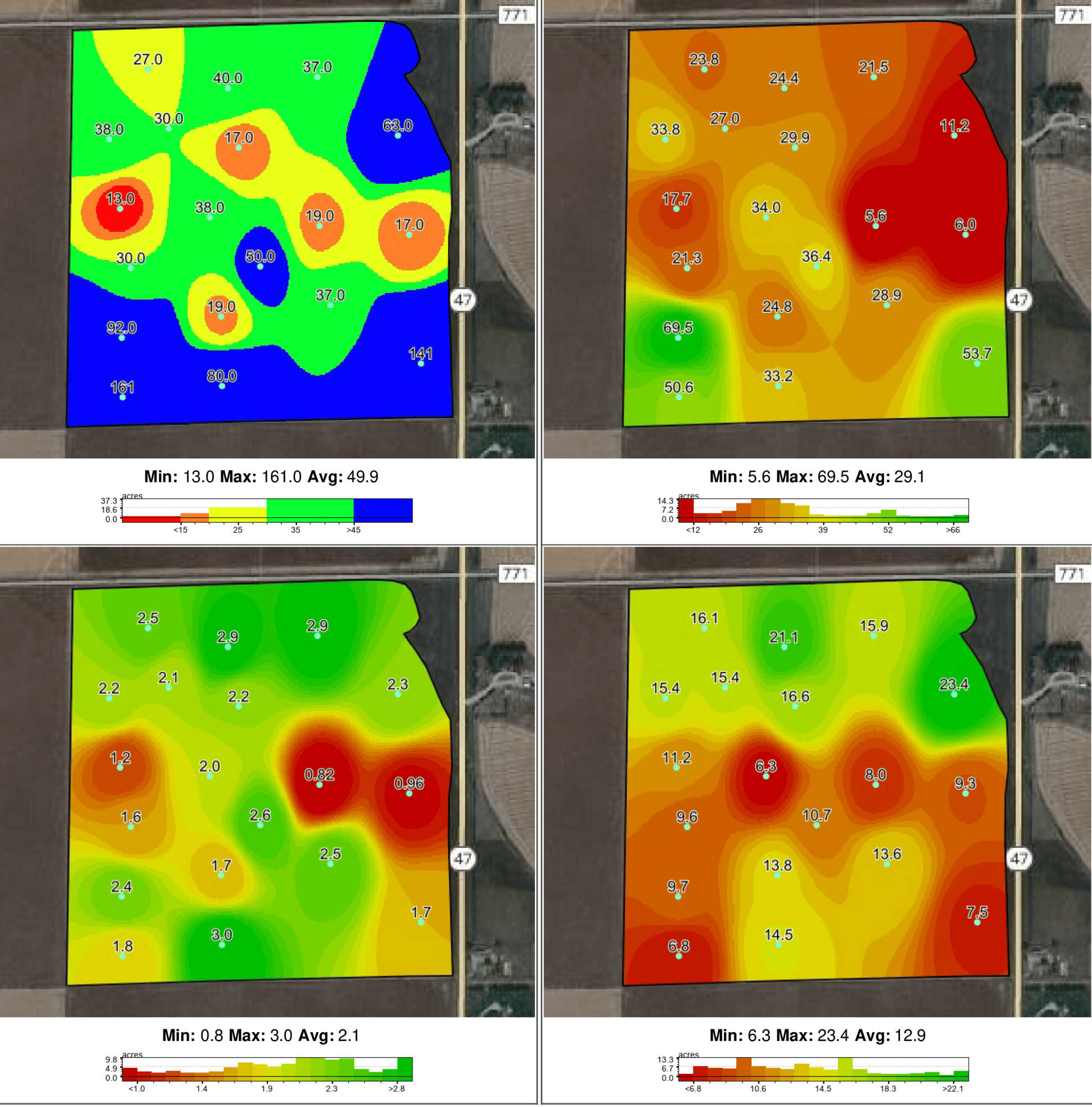
CTS has been collecting, testing, and analyzing soil data since day one. Soil nutrients aren’t estimates to us — they’re measured, mapped, and documented.
Our process delivers a comprehensive soil data report your CPA can use when evaluating a Section 180 deduction.
- Detailed soil sampling
- Proven nutrient analysis
- Accurate & trustworthy data reporting
We don’t guess.
We don’t generalize.
We rely on proven data.
OUR PROCESS:
SOIL SAMPLE
Soil tests will be performed to establish the total amount of residual nutrients in the soil.
ESTABLISH NUTRIENTS
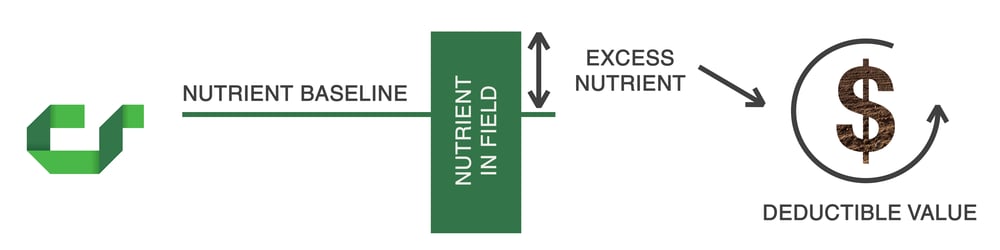
CTS will take the residual nutrient values and assign pricing information for each element in the soil.
GENERATE REPORTS
All information collected will be compiled into a report for the landowner and CPA to take advantage of soil-based tax deductions.
YOUR SOIL IS DOING MORE THAN GROWING A CROP.
Fill out the form below:
FREQUENTLY ASKED QUESTIONS
Does Crop Tech provide tax or legal advice?
No. Crop Tech does not provide tax or legal advice. We provide detailed soil data and nutrient analysis that you can bring to your CPA or tax advisor for evaluation.
What does Crop Tech’s role include?
Crop Tech conducts soil sampling, nutrient analysis, and reporting. We deliver a comprehensive soil data report designed to help your CPA evaluate whether a Section 180 deduction may apply.
What nutrients does Crop Tech test for?
Crop Tech tests for a full range of soil nutrients, including:
-
Phosphorus (P)
-
Potassium (K)
-
Magnesium (Mg)
-
Calcium (Ca)
-
Sulfur (S)
-
Boron (B)
-
Copper (Cu)
-
Iron (Fe)
-
Manganese (Mn)
-
Zinc (Zn)
-
Nitrate-Nitrogen (NO₃-N)
Each nutrient is measured against established baselines, with excess levels documented and assigned a value in the final report.
How is the value of excess nutrients determined?
Excess nutrients are identified by comparing measured soil levels to established baselines. When applicable, those excess amounts are documented and converted into a nutrient value using current data and accepted methodologies.
How long does the Section 180 process take?
Timelines can vary depending on acreage, sampling requirements, and laboratory turnaround times. After soil sampling is completed, Crop Tech works efficiently to compile results into a report for your CPA.
Do I need to involve my CPA right away?
You don’t need to involve your CPA to get started. Crop Tech will collect and analyze the soil data first, then provide a report you can share with your CPA for review and next steps.
Does Section 180 apply every year?
No. Section 180 generally applies when farmland is newly acquired and placed into production. Your tax professional can determine if and when the deduction applies to your operation.
What is the next step if I’m interested?
Fill out the form on this page. A member of the Crop Tech team will follow up to discuss your land, confirm next steps, and begin the soil data collection process.